
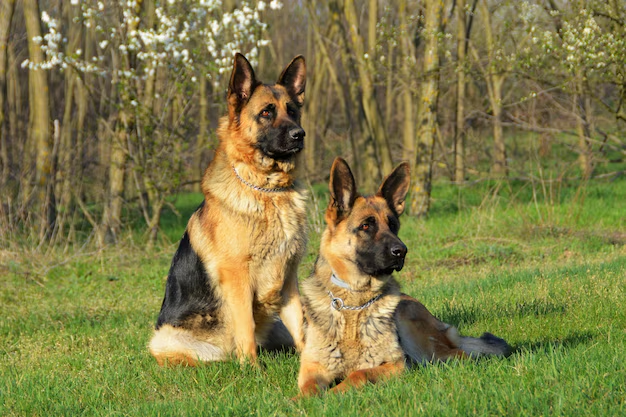
 German Shepherds are strong, loyal, and intelligent dogs. They grow fast and change a lot during their early months. Understanding their growth helps owners provide proper care. This guide explains the growth chart by age in a simple way. It also covers health, legal points, and how to choose the right professional support.
This article focuses on full-blooded German shepherd dogs and their development from birth to adulthood. Each stage matters. Nutrition, exercise, and vet care all play a role in healthy growth.
Understanding the Growth of German Shepherds
German Shepherds are large working dogs. They take longer to mature than smaller breeds. Most reach full size between 18 and 24 months. Mental maturity may take even longer.
Growth depends on genetics, diet, activity level, and healthcare. A growth chart is a guide, not a strict rule. Each dog grows at its own pace.
Owners of full-blooded German shepherd dogs should track weight and height regularly. Sudden changes may signal health issues.
German Shepherd Growth Chart by Age
Birth to 2 Weeks
Newborn puppies are small and fragile. Average weight: 1 to 2 pounds
They rely fully on their mother. Eyes and ears remain closed. Growth during this stage is rapid but delicate.
3 to 4 Weeks
Average weight: 4 to 9 pounds
Eyes open. Puppies begin walking. Teeth start to appear. Short play sessions begin.
8 Weeks (2 Months)
Average weight: 16 to 20 pounds
This is a common adoption age. Puppies are active and curious. Basic social skills start forming.
3 Months
Average weight: 22 to 30 pounds
Legs grow fast. Appetite increases. Training can begin with simple commands.
4 Months
Average weight: 35 to 40 pounds
Teething starts. Chewing increases. Ears may stand up or flop.
5 Months
Average weight: 40 to 49 pounds
Muscles develop. Energy levels are high. Proper exercise is important but avoid overexertion.
6 Months
Average weight: 49 to 57 pounds
Puppies look like smaller adults. Growth slows slightly. Sexual maturity may begin.
9 Months
Average weight: 60 to 70 pounds
Height is nearly full. Body continues filling out. Training should be consistent.
12 Months
Average weight: 65 to 75 pounds
Most reach adult height. Mental maturity is still developing. Structure becomes stronger.
18 to 24 Months
Average weight: Males: 75 to 90 pounds Females: 60 to 75 pounds
This is full physical maturity. Full-blooded German shepherd dogs reach their final size during this stage.
Height Growth by Age
At 12 months, most German Shepherds are close to adult height.
Adult height:
Males: 24 to 26 inches
Females: 22 to 24 inches
Height stabilizes before weight. Filling out takes time.
Nutrition and Growth
Nutrition plays a major role in development. Large-breed puppy food is essential. It supports slow, steady growth.
Key nutrition tips:
Avoid high-calcium diets
Feed age-appropriate food
Measure portions carefully
Avoid overfeeding
Overfeeding can cause joint problems. This is especially important for full-blooded German shepherd dogs.
Exercise and Physical Development
Exercise helps muscles and bones grow strong. Too much exercise can damage joints.
Safe exercise guidelines:
Short walks for puppies
Avoid jumping and stairs early
Increase activity gradually
Focus on mental stimulation
Balanced activity supports healthy growth.
Common Growth-Related Health Issues
German Shepherds are prone to certain conditions.
Common issues include:
Hip dysplasia
Elbow dysplasia
Panosteitis
Digestive sensitivity
Regular vet checkups are essential. Early detection improves outcomes for full-blooded German shepherd dogs.
Legal Information for Dog Owners
Owning a dog comes with legal responsibilities. Laws vary by location.
Important legal considerations:
Dog licensing and registration
Vaccination requirements
Leash laws
Breeder regulations
Liability for dog behavior
Always check local and state regulations. Some areas require proof of breed lineage.
If buying full-blooded German shepherd dogs, request proper documentation. This includes pedigree papers and health records.
Choosing the Right Professional Support
Professional guidance supports healthy growth. This includes veterinarians, breeders, and trainers.
Choosing a Veterinarian
Look for:
Experience with large breeds
Clear communication
Preventive care focus
Emergency availability
Choosing a Breeder
A responsible breeder is crucial when selecting full-blooded German shepherd dogs.
Look for:
Health-tested parents
Clean environment
Transparent records
Ethical breeding practices
Avoid breeders who rush sales or avoid questions.
What to Ask Professionals
Questions for Breeders
Are the parents health tested?
Can I see medical records?
What is the puppy’s diet?
How are puppies socialized?
Do you provide a health guarantee?
Questions for Veterinarians
What growth rate is healthy?
What food do you recommend?
When should vaccines be given?
How much exercise is safe?
What signs should I watch for?
Asking the right questions protects both you and your dog.
Training and Mental Growth
Mental development is just as important as physical growth. Training should start early.
Training benefits include:
Better behavior
Stronger bonding
Improved confidence
Reduced anxiety
Positive reinforcement works best for full-blooded German shepherd dogs.
Tracking Growth at Home
Keep a growth log. Record:
Weight every month
Height every 3 months
Appetite changes
Energy levels
Share this data with your vet. It helps monitor healthy development.
When Growth Seems Slow or Fast
Not all dogs follow the same chart. Slight differences are normal.
Contact a vet if you notice:
Sudden weight loss
Extreme lethargy
Limping or stiffness
Poor appetite
Early action prevents long-term problems in full-blooded German shepherd dogs.
Conclusion
Understanding a German Shepherd’s growth helps ensure a healthy life. Growth charts provide guidance, not strict rules. Proper nutrition, safe exercise, and professional care matter at every stage. From puppyhood to adulthood, full-blooded German shepherd dogs require patience, structure, and informed decisions. Legal awareness, ethical breeding, and expert advice protect both owner and dog. With the right care, your German Shepherd will grow into a strong, loyal, and confident companion for years to come.